

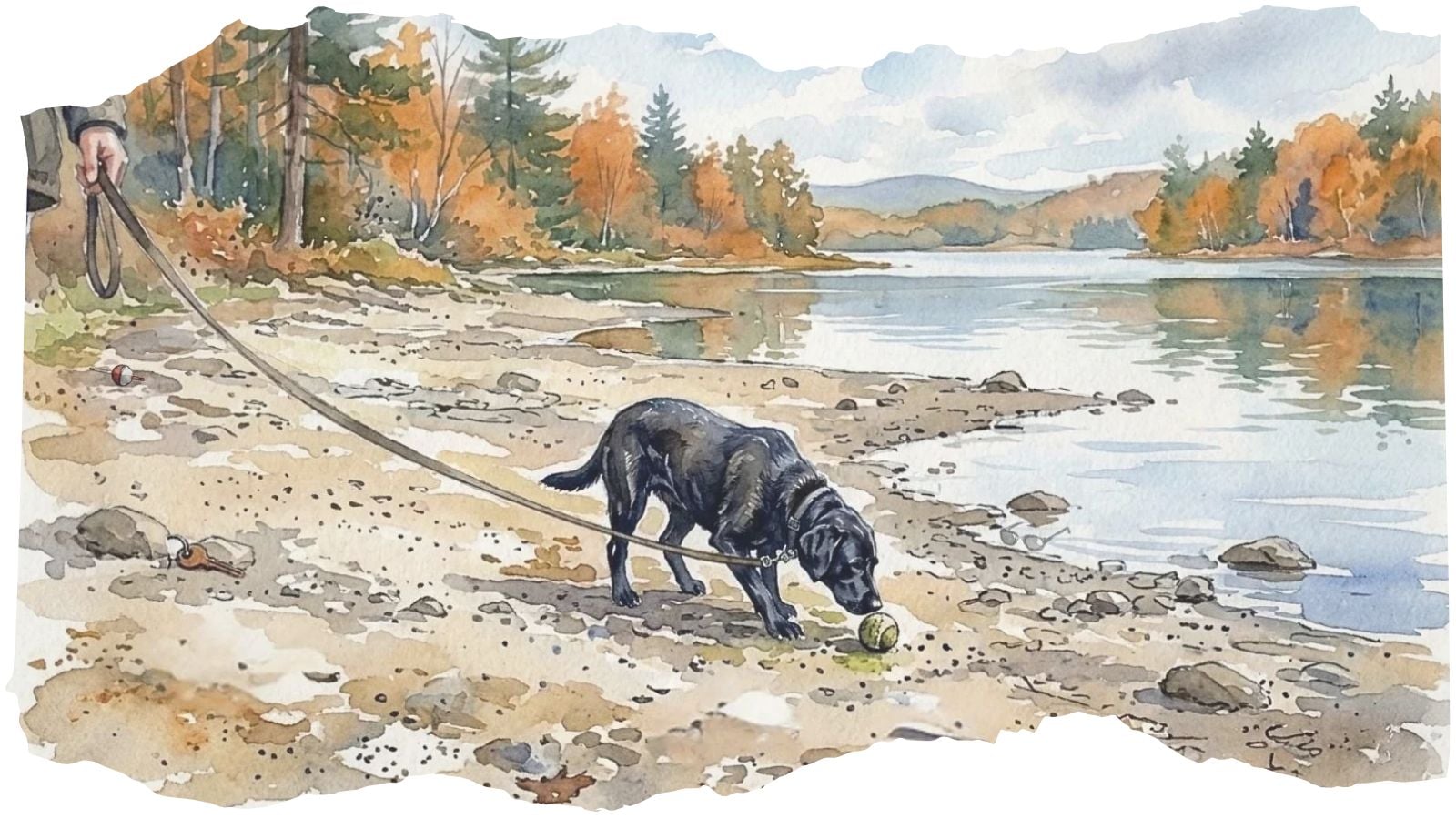
If you drove past Lake Wallenpaupack this fall and thought the lake looked low, you were right. Every five years, Brookfield Renewable lowers the lake for testing and maintenance on the dam, and 2026 was one of those years. Here is what the drawdown is, what it means for lakefront owners and boaters, and why some people actually look forward to it.
Why the Lake Comes Down
Lake Wallenpaupack is a hydroelectric reservoir, and Brookfield Renewable owns the dam. Brookfield describes the drawdown as required every five years for testing and maintenance mandated by FERC, the Federal Energy Regulatory Commission, which licenses the hydroelectric project. Some of that work can only be done with the water lower.
It is not an annual event. The most recent drawdown was in the fall of 2026, and the next ones are scheduled for 2031 and 2036.
How Low the Lake Goes
The 2026 drawdown began after Labor Day and lowered the lake gradually through September, from about 1,180.5 feet above sea level to a target of about 1,174 feet by the first week of October. That is roughly six and a half feet below where the lake started in early September, and about 13 feet below the normal high water mark of 1,187 feet.
Out in the middle of Lake Wallenpaupack, the difference is hard to notice. Along the shoreline and in the shallow coves, it is obvious. Mudflats, rocks, old stumps, and stretches of lake bottom that are underwater most of the year are suddenly out in the open.
Brookfield notes that lake levels and the schedule can change with the weather and the needs of the power grid. The current lake elevation and the drawdown targets are posted on Brookfield’s SafeWaters page for Wallenpaupack.
What It Means for Docks
Brookfield’s policy requires all floating docks and mooring buoys to be out of the water by December 1 every year, drawdown year or not. They cannot go back in until the ice is completely gone in the spring. Unlike some other lakes, Lake Wallenpaupack does not allow seawalls, boathouses, or bulkheads, and docks on Lake Wallenpaupack float rather than being permanently installed, since they have to come out every year.
In a drawdown year, many Lake Wallenpaupack lakefront owners have their docks removed earlier in the fall. Once the water recedes, a dock can end up sitting in mud and muck, and getting it out becomes a heavier, messier job. Some lake communities take their docks out right around Columbus Day, and some even sooner. This year, the Pennsylvania Fish and Boat Commission pulled the public docks at its Mangan Cove Access early, the week of September 28, because of the low water.
Boating During a Drawdown
Boating continues during the drawdown, with some extra caution. Rocks and shoals that are normally well below the surface can sit just under it, and not every hazard is marked. Shallow coves and some launches are harder to use. Slow down near shore and in unfamiliar water.
Paddlers tend to like this time of year. With fewer powerboats out making waves, kayakers and canoeists get quieter water and a look at shoreline most people never see.
What People Do With the Extra Shoreline
A drawdown is not all inconvenience. Residents and visitors take advantage of it:
- Cleaning up the shoreline: trash, debris, and fallen branches that are usually underwater or out of reach.
- Repairing docks while they are out of the water.
- Treasure hunting with metal detectors. Ninety-plus years of lake life leaves a few things behind.
- Paddling the quieter water.
One rule to keep in mind: the shoreline belongs to Brookfield Renewable, so anything beyond cleanup needs permission. Lakefront owners planning shoreline work during the drawdown need a non-standard shoreline use permit from Brookfield. With no seawalls or bulkheads to maintain, most owners keep their drawdown projects to cleanup and dock repair.
When the Lake Level Comes Back Up
The lake refills gradually through winter and spring with rain and snowmelt. Brookfield’s lake elevation chart targets about 1,185.6 feet by May 1, close to normal summer levels, though the weather has the final say. Docks go back in after ice-out.
A Good Time to Look at Lakefront
If you are shopping for a lakefront home, a drawdown year is a useful time to look. You can see the shoreline the way it really is: where the rocks are, how the bottom slopes, and how much water a dock will actually have when the lake is down. Those are things a July showing will never show you. The next chance is in 2031.
Common Questions
How often is Lake Wallenpaupack drawn down?
Every five years, for testing and maintenance of the dam required by the Federal Energy Regulatory Commission. The most recent drawdown was in the fall of 2026, and the next ones are scheduled for 2031 and 2036.
How low does Lake Wallenpaupack go during a drawdown?
In 2026 the target was about 1,174 feet above sea level by early October, roughly six and a half feet below the early September level and about 13 feet below the normal high water mark of 1,187 feet.
When do docks have to come out of Lake Wallenpaupack?
All floating docks and mooring buoys must be out of the water by December 1 every year, including drawdown years, and cannot go back in until the ice is completely gone. Many owners and communities remove them earlier in a drawdown year.
Can I work on my shoreline during the drawdown?
Cleanup is fine, but shoreline work on Brookfield Renewable’s land requires permission. Owners planning shoreline work during the drawdown need a non-standard shoreline use permit from Brookfield.
If you are thinking about lakefront on Lake Wallenpaupack and want to know what the shoreline looks like on a specific property, message me or text me at 570-647-5170, or call my Keller Williams office at 570-226-0500.
Karen Rice, Keller Williams Real Estate, 2515 Route 6, Hawley, PA 18428. Direct 570-647-5170 | Office 570-226-0500. PA License RS301772. Equal Housing Opportunity. Each Keller Williams Office is Independently Owned and Operated.