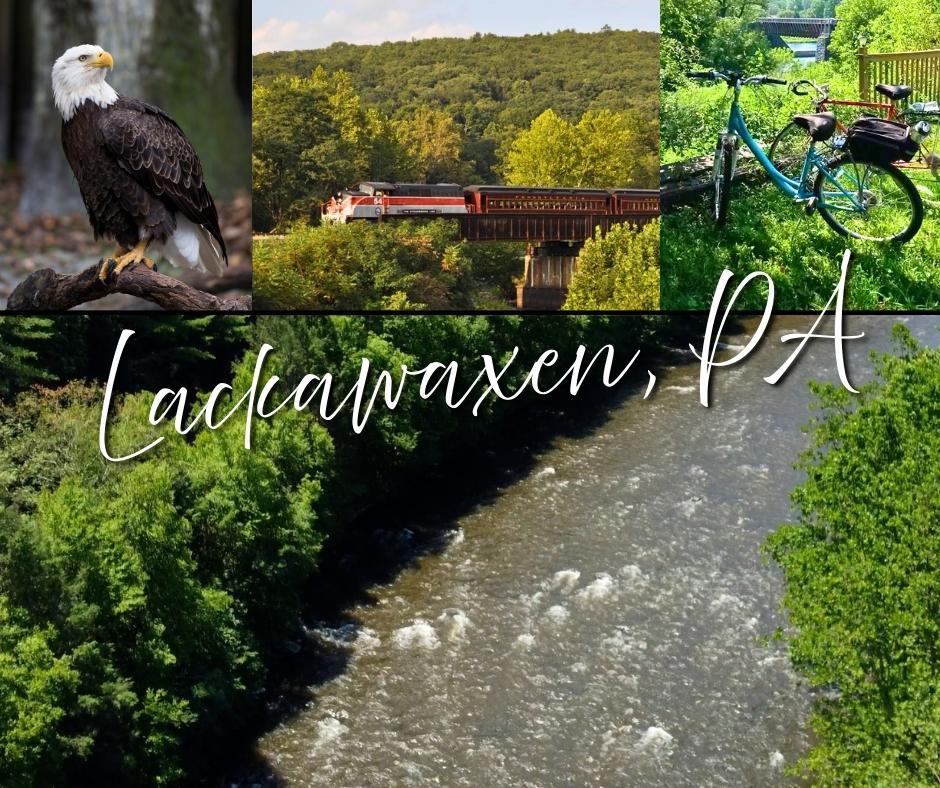
Lake Wallenpaupack • Lake Ariel • Northern Poconos
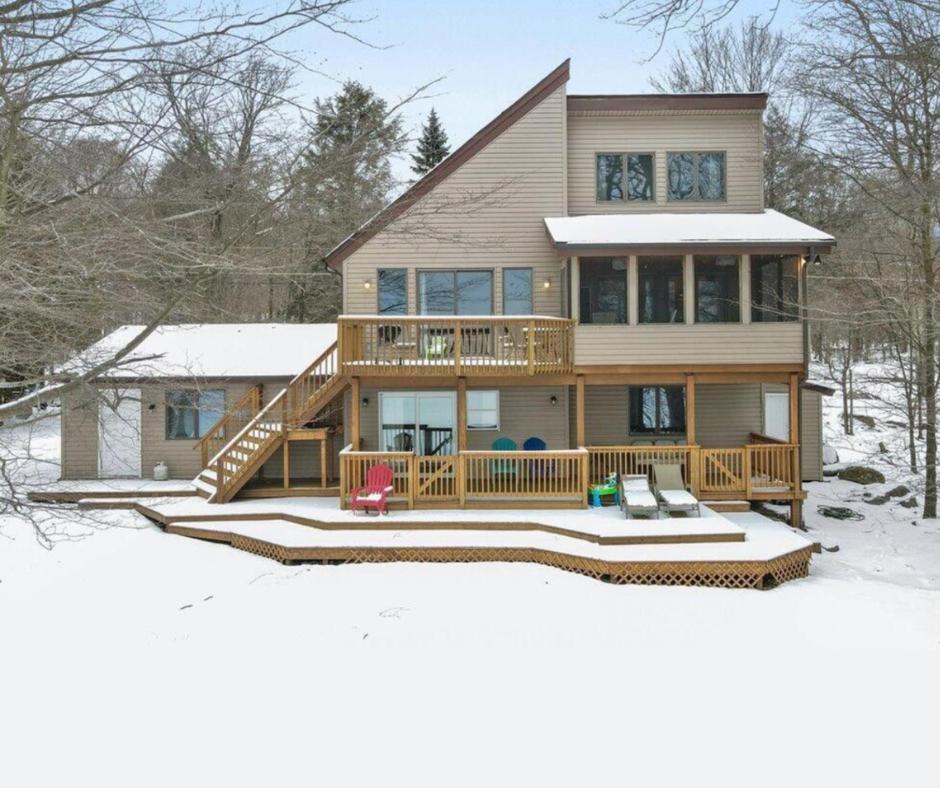
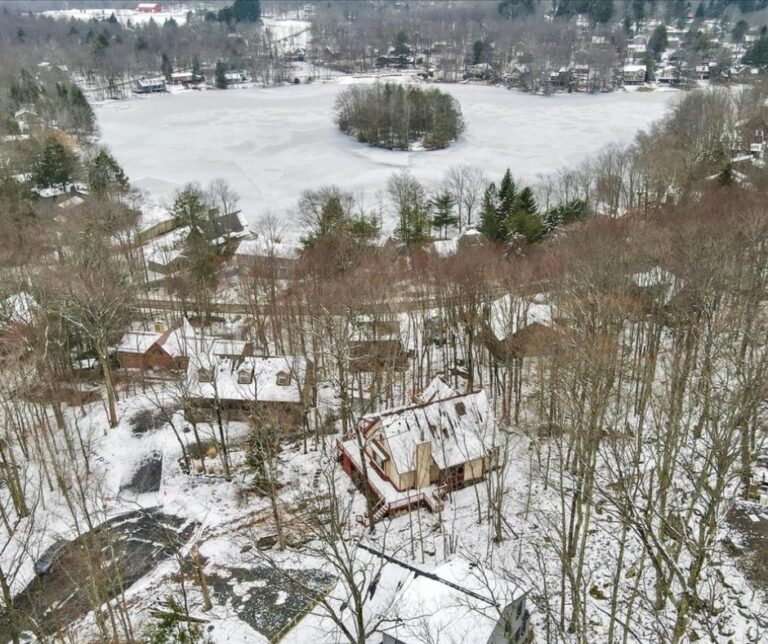
Winter in the Poconos has its own charm: frozen lakes, quiet woods, and crisp mornings… but the season also brings conditions that can be tough on homes. Between freeze-thaw cycles, high winds, and long stretches of sub-zero temperatures, properties around Lake Wallenpaupack and Lake Ariel need a little extra attention this time of year.
Below, I’ve outlined the most common winter hazards for Poconos homeowners and how to stay ahead of them.
1. Foundation Stress from Freeze/Thaw Cycles
What Happens
When water slips into small cracks in foundations, walkways, or driveways and freezes, it expands. As this cycle repeats (which it does often in our region) those tiny cracks widen.
Common Local Signs
- Cracks in block foundations, driveways, or concrete pads
- Pooling water after snowmelt (especially near lakefront slopes)
- Doors sticking or gaps forming between floorboards and walls
How to Prevent Problems
- Check for cracks before winter sets in.
- Improve drainage around the foundation.
- Address early signs of shifting rather than waiting until spring.
2. Drainage Issues & Frozen Pipes
Why It Happens
Basements, crawl spaces, and exterior walls get especially cold in the Poconos. Water in pipes can freeze and expand, leading to cracks or full bursts.
Risks
- Burst pipes (hundreds to repair)
- Water damage (often several thousand dollars)
- Flooding in basements or unheated additions
How to Stay Protected
- Disconnect and drain outdoor plumbing.
- Wrap exposed pipes with foam insulation.
- Know where your main shut-off valve is.
3. Roof Issues from Wind & Moisture
Why It Matters Here
Roofing takes a beating from lake-effect winds and Pocono storms. When flashing loosens around chimneys, skylights, and vents, water can start to seep in.
Signs of Trouble
- Loose, cracked, or missing shingles
- Flashing that’s pulled away.
- Water stains in attics or along top-floor ceilings.
Preventative Steps
- Get a roof inspection before heavy snow.
- Check flashing around skylights, vents, and chimneys.
- Clear branches hanging over the roof.
- Be sure gutters are free of debris.
4. Increased Fire Risk in Peak Heating Season
Heating systems work their hardest from December through February. Add in holiday decorations and space heaters,
and fire risk increases.
Simple Safety Checks
- Keep space heaters stable and away from anything flammable.
- Don’t overload outlets with seasonal décor.
- Test smoke and carbon monoxide detectors.
- Replace smoke detector and thermostat batteries at the start of winter.
5. Temperature Control Problems in Vacant or
Seasonal Homes
Many homes in Lake Wallenpaupack, Lackawaxen, and Lake Ariel sit empty for stretches of the winter. Turning off the heat entirely may seem cost-effective, but extreme cold puts strain on the home’s structure and systems.
Key Risks When Heat Is Turned Off
1. Frozen Pipes and Stressed Appliances
Water heaters, refrigerators, dishwashers, washing machines, and well systems are not designed to freeze. Extreme cold can damage internal components and lead to costly repair
2. Structural Movement from Wood Expansion and Contraction
Homes naturally expand and contract, but wide indoor temperature swings intensify that movement. Over time, this can lead to:
- Gaps in hardwood or laminate flooring.
- Cracked drywall seams.
- Warped trim, shifting around windows and doors.
3. Condensation, Moisture, and Interior Frost Buildup
When a home gets extremely cold and is suddenly heated again:
- Condensation forms on walls, windows, and inside wall cavities.
- Moisture promotes hidden mold growth.
- Warm, moist air in attics contributes to ice damming.
- Frost can develop around sill plates, framing, or windows.
Best Practice Temperature Settings
- Maintain 45–50°F all winter when the home is vacant.
- Use a smart thermostat or Wi-Fi temperature monito.r
- Keep interior doors open for better air circulation.
- Have someone check the home periodically during long cold snaps.
Maintaining a steady baseline temperature protects the entire house, not just the plumbing.
Wrapping Up: Winter in the Poconos Works Best With a Little Prep
A well-prepared home handles our winters with no drama. Whether you live here full-time or come up on weekends, a few preventative steps go a long way. A lake house is one of the most expensive assets you could own; it is well worth it to protect and maintain your investment’s value.
And if you ever need referrals for trusted local roofers, winterization contractors, or home check services, I’m always happy to help. Ready to sell your lake house or buy a lakefront? Contact me, for the best local information, guidance, and service